glass bottle manufacturers products
The Science of Glass Packaging: Enhancing Your Brand With Premium Glass Bottles
The science of glass packaging provides brands with an exceptional opportunity for distinction. Through sustainable practices, glass bottles improve aesthetic presentation while resonating with environmentally aware consumers. Their intrinsic properties, including recyclability and chemical safety, demonstrate a steadfast commitment to excellence. As brands navigate this evolving landscape, understanding the multifaceted benefits and challenges of glass packaging becomes essential for long-term success. What innovative strategies are brands employing to maximize these advantages?
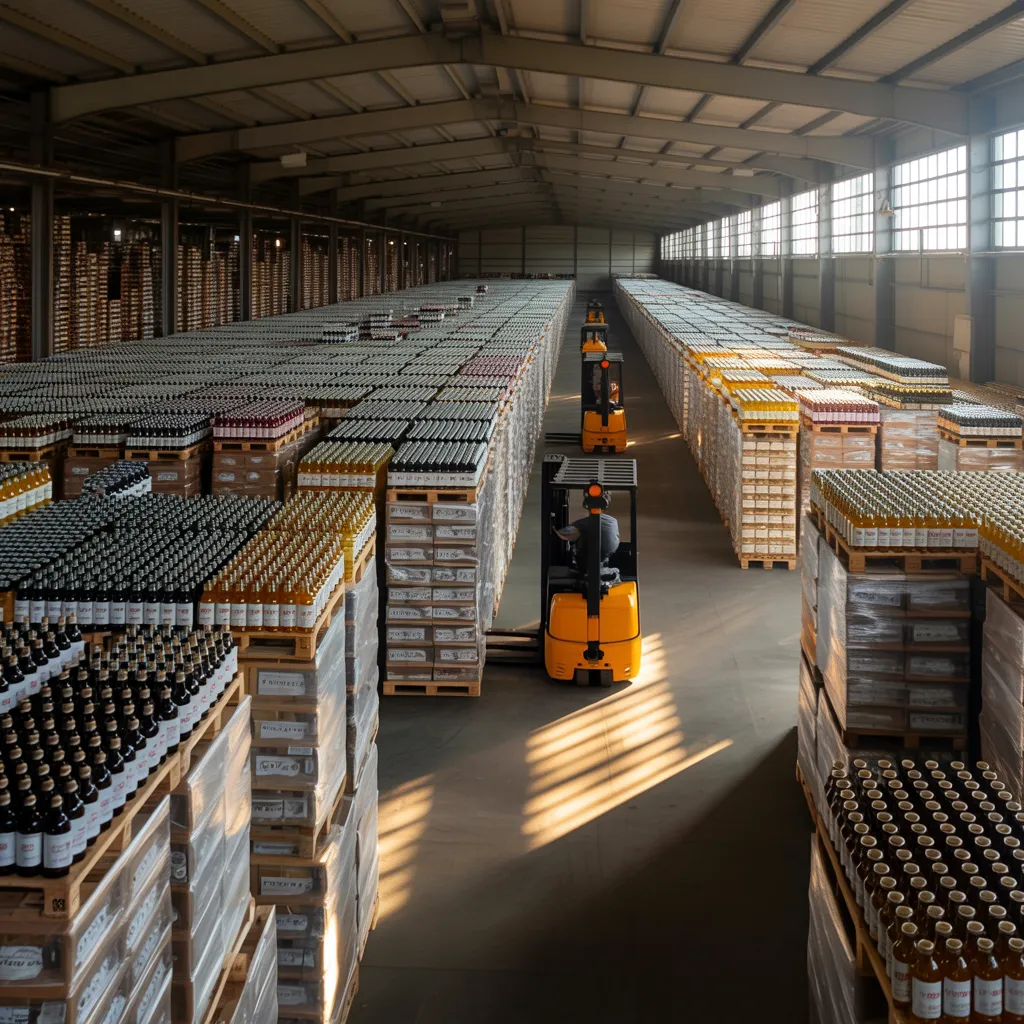
The Benefits of Choosing Glass Packaging for Your Brand
Selecting glass as a packaging material can significantly improve a brand's reputation and eco-friendly commitments. Brands that opt for glass demonstrate a pledge to superior standards and exceptional product encounters, resonating with sophisticated customers who appreciate aesthetic and functional attributes. Glass provides a enduring and sophisticated look, strengthening a brand's visual presence while offering a tactile experience that no alternative material can equal.
Additionally, glass packaging creates a sense of cleanliness and security, as it is uncontaminated by hazardous ingredients typically contained in plastics. This option can draw in green-conscious customers who connect glass with ethical choices. Furthermore, its long-lasting nature enables multiple uses, additionally affirming a brand's devotion to sustainable principles.
In a marketplace placing greater emphasis on sustainability, embracing glass packaging solutions can set a brand apart building lasting loyalty and boosting customer confidence. In the end, this strategic choice positions brands as leaders in eco-conscious innovation and quality, reflecting the values of today's consumers.
The Environmental Advantages of Glass Bottles
Glass containers provide significant environmental benefits that distinguish them from alternative packaging options. They are 100% recyclable, promoting a circular economy where materials can be recycled endlessly without compromising quality. This property greatly reduces the reliance on virgin materials, thereby minimizing resource extraction and energy usage linked to manufacturing.
Additionally, glass packaging is non-reactive, meaning it does not release harmful chemicals into its contents, ensuring safer consumption. Unlike plastic, glass does not add to microplastic pollution, which is a rising environmental issue.
The manufacturing of glass bottles similarly results in lower greenhouse gas emissions compared to plastic alternatives. With advancements in manufacturing processes, energy efficiency has significantly improved, additionally minimizing the carbon footprint linked to glass production.
Unique Designs That Transform Glass Packaging
Creative designs in glass vessels are revolutionizing how products are perceived. Original silhouettes and configurations not only improve usability but also attract consumer attention. Additionally, eye-catching color palettes further enhance the visual impact, making glass vessels stand out on shelves.
Exceptional Shapes and Structures
Revolutionary solutions in packaging made from glass not only boost visual impact but also fulfill an important purpose in brand differentiation. Unconventional forms and structures can create memorable consumer experiences, enabling products to capture attention on packed product displays. For example, asymmetrical bottles or geometric designs can evoke curiosity and encourage interaction. These unconventional forms often reflect a brand's personality, reinforcing its message and values. Beyond that, distinct shapes can improve functionality, such as more convenient gripping or optimized pouring. Organizations that embrace creative glass packaging solutions convey a devotion to craftsmanship and eco-consciousness, attracting environmentally conscious consumers. By championing innovation in their packaging strategies, brands can cultivate more meaningful relationships with consumers, thereby boosting brand loyalty and expanding market visibility.
Eye-Catching Color Palettes
Rich color combinations are fundamental in enhancing glass packaging, turning everyday bottles into striking visual declarations. By employing a strategic blend of hues, brands can evoke emotions and create memorable experiences for consumers. Striking colors can indicate superior craftsmanship, while softer tones may convey delicacy and sophistication.
In addition, the use of gradients and multi-toned designs brings depth and sophistication, drawing attention on crowded shelves. Eco-conscious practices additionally boost the appeal; sustainable dyes and finishes appeal to environmentally aware consumers. Ultimately, the perfect color palette not only reflects a brand's identity but also reinforces its commitment to sustainability, making glass packaging a powerful tool for differentiation in a competitive market.
How Does Glass Packaging Enhance Product Perception?
Glass packaging significantly elevates product perception through its premium feel and appeal, evoking a feeling of luxury among consumers. The visual transparency and clarity of glass offer consumers an unrestricted look at the product, strengthening the perception of quality. Additionally, using glass aligns with eco-friendly brand positioning, resonating with eco-minded consumers.
Premium Feel And Appeal
The incorporation of glass packaging greatly elevates the recognized quality of a product, commonly connecting it with quality and elegance. Customers often link glass with luxury, contributing to improved brand commitment and rewarding buyer experiences. The sensory quality of glass, with its smooth texture and weight, contributes to a high-end impression that plastic cannot replicate. This tactile interaction creates a connection between the product and the consumer, fostering a perception of excellence. Additionally, glass packaging demonstrates a dedication to sustainability, resonating with eco-aware consumers. Therefore, companies using glass packaging can position themselves as higher-end alternatives within their markets, drawing selective buyers who appreciate both style and sustainability in their consumer decisions.
Clear Visual Transparency And Precision
When buyers discover products in glass containers, their perception is often enhanced by the intrinsic visual see-through quality it delivers. This transparency allows potential buyers to see the product inside, creating an atmosphere of reliability and credibility. The see-through nature of glass not only reveals the product's caliber but also accentuates its color and feel, boosting aesthetic attractiveness. Additionally, the absence of labeling distractions on clear glass allows the product to take center stage, generating a more immersive purchasing journey. Glass vessels can uplift brand standing by expressing a devotion to quality and skill. This transparency ultimately shapes buyer choices, promoting a more profound personal relationship with the item and the brand.
Environmentally Conscious Brand Positioning
Eco-conscious brands employ glass containers to strengthen their dedication to eco-friendly practices, successfully elevating how products are perceived. Glass conveys a sense of quality and purity, establishing a superior benchmark against plastic options. This medium not only highlights the environmental principles of a brand but also appeals to consumers who prioritize environmentally responsible choices. The physical sensation of glass—its heft and feel—additionally enhances the perceived worth of the product. Moreover, the ability to recycle glass resonates with the rising consumer expectation for eco-friendly practices, cultivating customer loyalty. By choosing glass, brands not only showcase their dedication to the environment but also present their products as top-tier selections, consequently developing a distinguished presence in a competitive industry.
Examples of Brands Thriving With Glass Packaging
A growing number of businesses are flourishing by transitioning to glass packaging, highlighting its attractiveness to buyers and pledge to sustainable practices. To illustrate, a well-known beverage company transitioned to glass bottles, producing a 30% boost in sales within a year. The change not only improved product visibility on shelves but also appealed to eco-conscious consumers, reinforcing the brand's sustainability message.
A different beauty label effectively transitioned to glass containers, greatly elevating its luxury brand perception. This shift brought in a dedicated clientele that values both aesthetics and environmental responsibility. Additionally, a craft beer producer incorporated refillable glass growlers, building brand loyalty while minimizing waste. These real-world cases show that glass solutions not only satisfy consumer demands for eco-friendly alternatives but also bolsters brand recognition and competitive standing. Such strategic choices highlight an emerging pattern among businesses striving to incorporate green principles into their strategies while appealing to modern consumers.
How to Tackle Challenges in Glass Packaging
Managing the challenges of glass packaging requires creative approaches and a keen understanding of the market. Brands often face issues such as costly production processes, weight-related challenges, and fragility. To address these, companies can implement innovative fabrication processes that reduce waste and enhance durability. Collaborating with suppliers to obtain environmentally responsible materials also mitigates environmental impact while attracting sustainability-minded consumers.
An additional obstacle involves transportation logistics, considering the substantial weight of glass. Utilizing advanced logistics approaches, including optimized shipping methods and packaging designs, may lower costs and secure product integrity throughout shipping. Furthermore, informing customers about the advantages of glass compared to plastic can build brand loyalty and stimulate demand. By implementing these methods, companies can surmount challenges in glass packaging and position themselves as leaders in sustainable practices, consequently improving their brand identity and overall market influence.
Emerging Trends in Sustainable Glass Packaging
As the need for eco-friendly packaging keeps growing, the glass packaging industry is set for remarkable evolution. Advancements in production methods are anticipated to improve energy performance, lowering the environmental impact linked to glass manufacturing. Furthermore, the adoption of lightweight glass bottles will emerge as a key trend, reducing shipping emissions while preserving product quality.
Recycling programs will grow increasingly strong, with increased collaboration between industry leaders and civic authorities to improve glass collection and processing. Additionally, the incorporation of intelligent technology within packaging will allow for greater transparency in the supply chain, enabling brands to showcase their sustainability efforts effectively.
Consumer preferences for eco-friendly products will also drive the development of personalized, attractive design solutions, combining utility with striking visual elements. With sustainability becoming a top priority for brands, the glass packaging industry is poised to transform its strategies, aligning with broader environmental goals and meeting the expectations of a conscientious consumer base.
Questions We Often Receive
What Are the Expenses Linked to Glass Packaging Versus Plastic?
Glass-based packaging commonly involves higher costs as a result of manufacturing, shipping, and recycling requirements when compared to plastic alternatives. That said, it delivers sustainability benefits and enhanced brand perception, making it a worthwhile investment for certain companies.
How Do I Customize Glass Bottles for My Brand?
Businesses can customize glass containers through original forms, tones, and surface treatments. Custom labels, engravings, and printed artwork strengthen brand identity. Collaborating with manufacturers guarantees consistency with environmental objectives while maintaining aesthetic appeal and functionality.
Are There Particular Rules Governing Glass Packaging?
Yes, specific regulations for glass packaging exist, distinct to each region. These cover safety standards, labeling requirements, and recycling guidelines, safeguarding consumer safety and environmental responsibility while advancing sustainable practices in packaging manufacturing and distribution.
What Are the Best Practices for Recycling Glass Bottles?
When recycling glass bottles properly, people should wash them thoroughly to clear out any remaining contents, remove lids, and organize them according to color. In addition, they should consult local recycling guidelines for proper protocols and collection points to ensure correct handling and processing.
How Does Glass Packaging Impact Shipping and Logistics?
Glass packaging significantly impacts shipping and logistics by increasing weight and fragility, necessitating careful handling and specialized transportation. This may result in elevated costs explore this and more intricate supply chain management relative to lighter and sturdier material alternatives.